These two have nothing to do with each other. Although Charles Rennie Mackintosh was an architect and a Scot, and one of eleven children, scotch predated Charles by a long shot, both are unrelated and were experienced on separate days of our trek.
The portion (a wee dram) involving the Scotch kicked off at the Oban Distillery, and a tour that happened for us with Duncan on Saturday afternoon, but it really started back in 1794.

So scotch is apparently a quite simple recipe: water, malted barley and yeast – that’s it. Anyone could do that. But not anyone can. Oban has been distilling scotch since a year after the aforementioned date when they figured out their beer wasn’t selling very well and the rest is history.
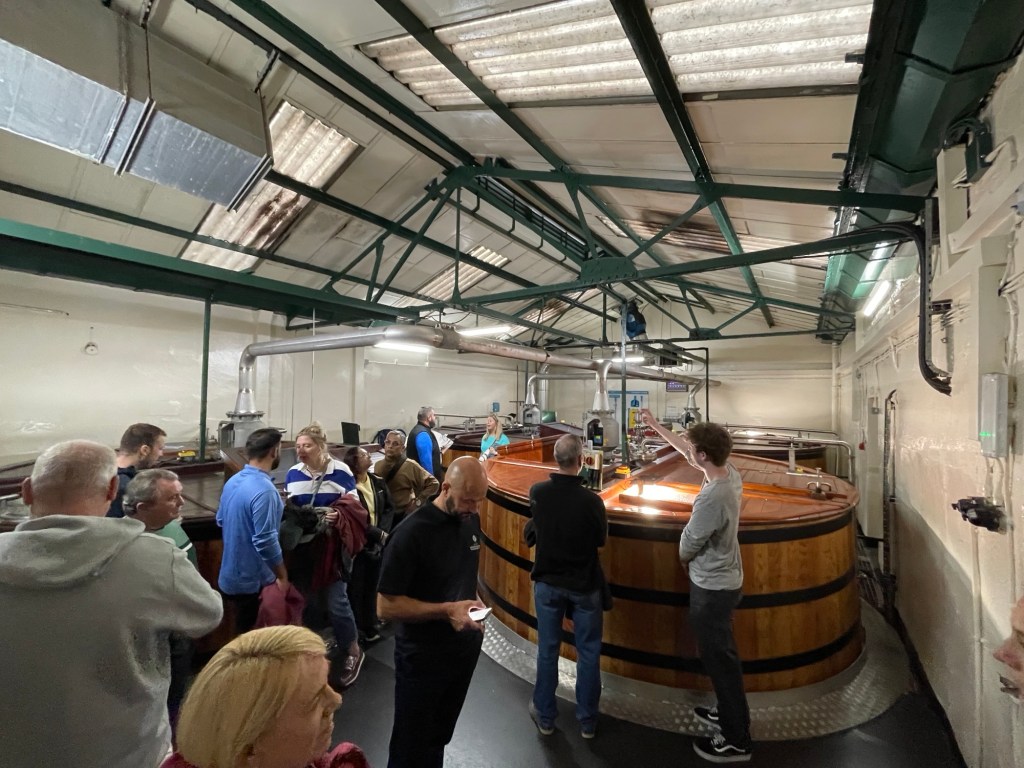
Oban (Oh-bin) is a very small distiller. Literally. Other than the shop and the bar only six folks work in production each day. Yet they manage to craft about 670,000 liters of whisky annually. Most of that is exported – fortunately for us!
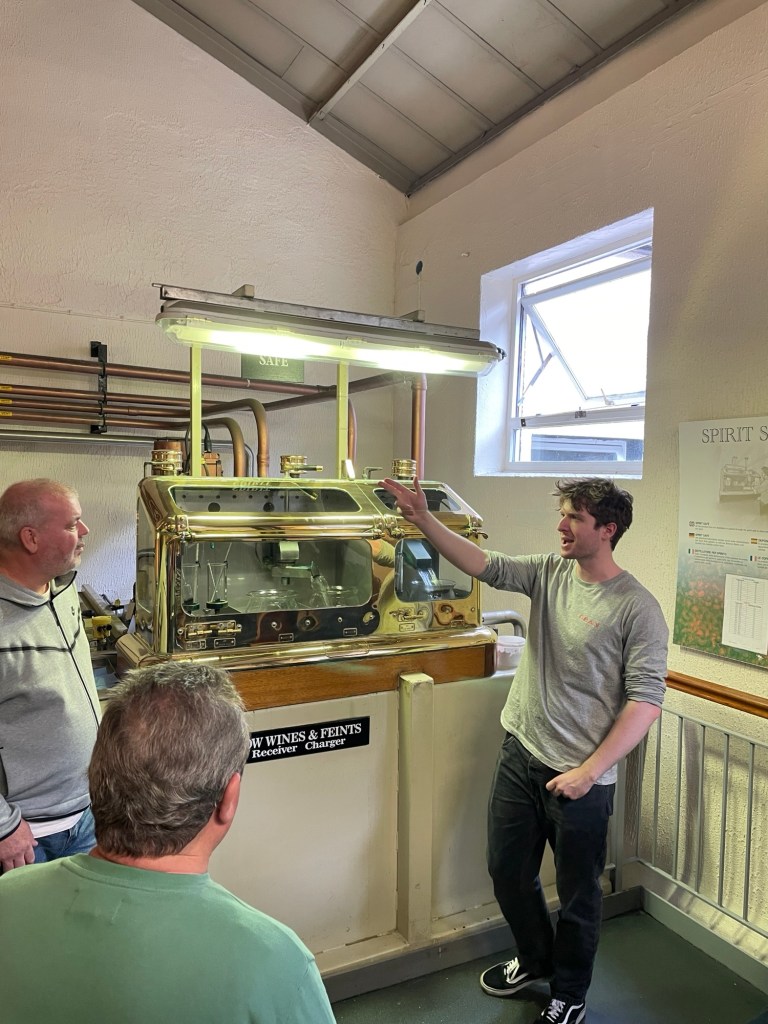
Duncan did a lovely tour and description of whiskey-making and we were able to sample three of Oban’s offerings, Little Bay, Distiller’s Edition and their 14 year. All of their whiskies typically favor notes of citrus, salt, caramel and some peat smoke. The peat smoke comes from the drying of the malted (sprouted) barley before it is ground to a fine powder and begin the fermentation process with water and yeast.
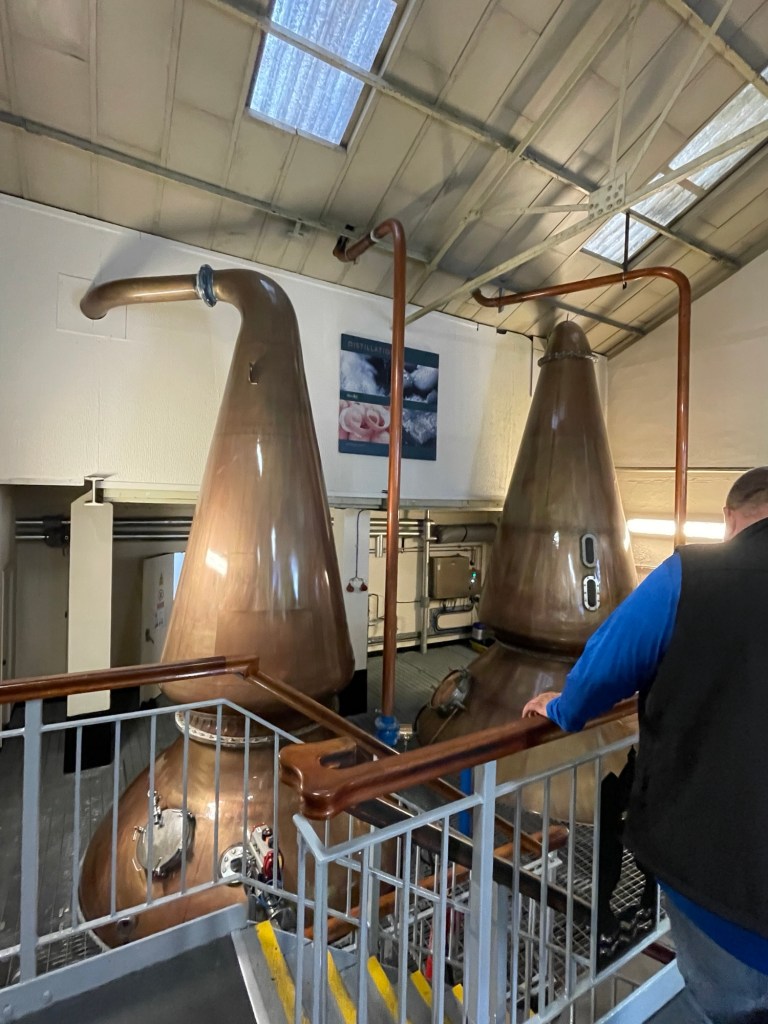
Oban has only two copper stills. The copper offers up some flavor to the distilled spirits, but it is in the oak barrels and the aging where the real character-building happens. It’s definitely worth the wait…
A really fascinating tour of scotch production.
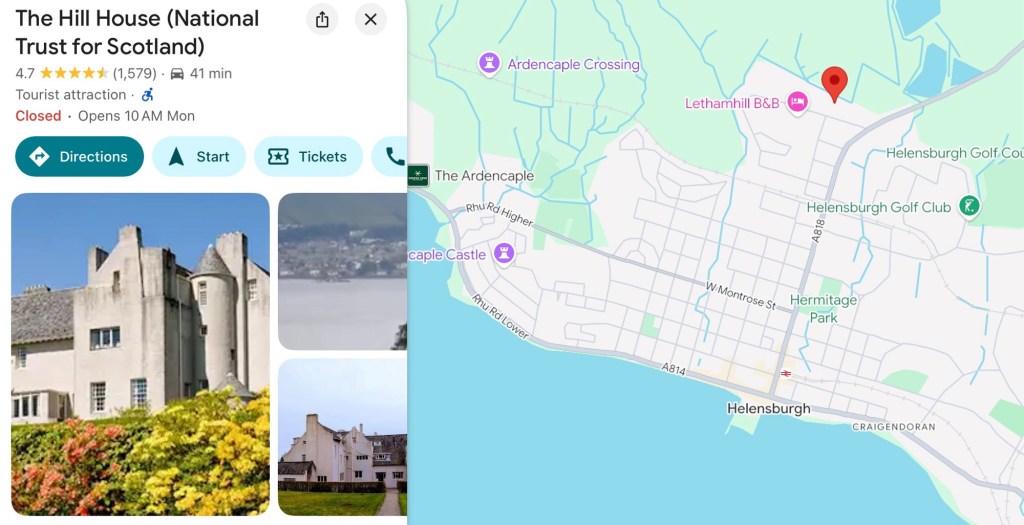
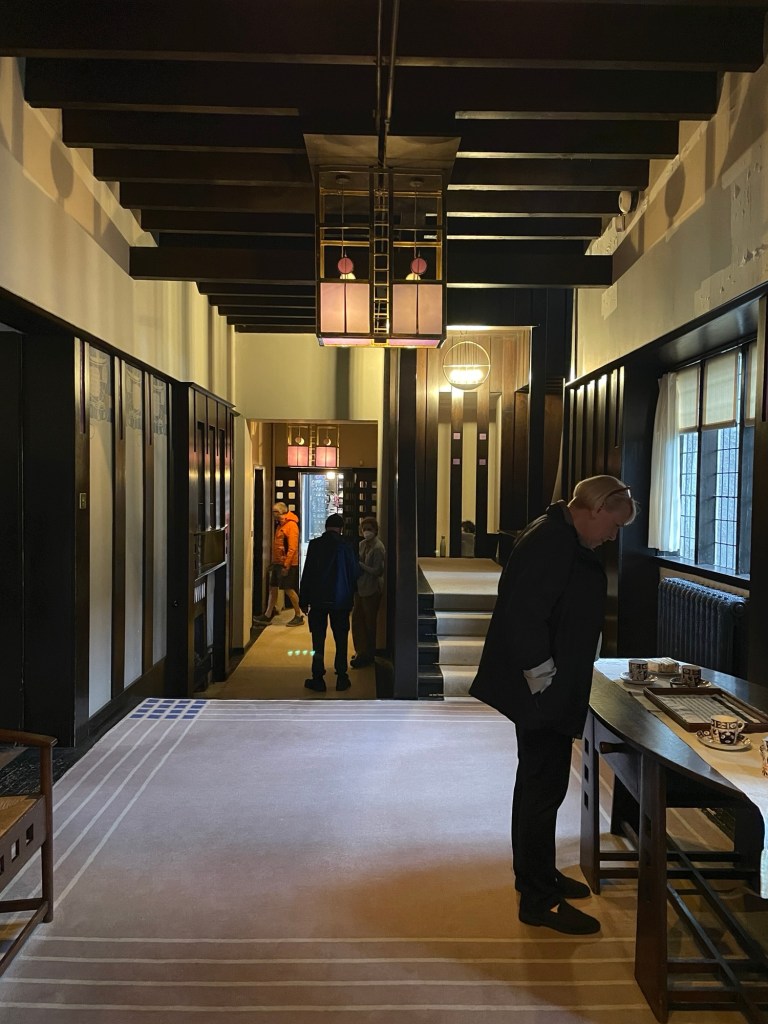
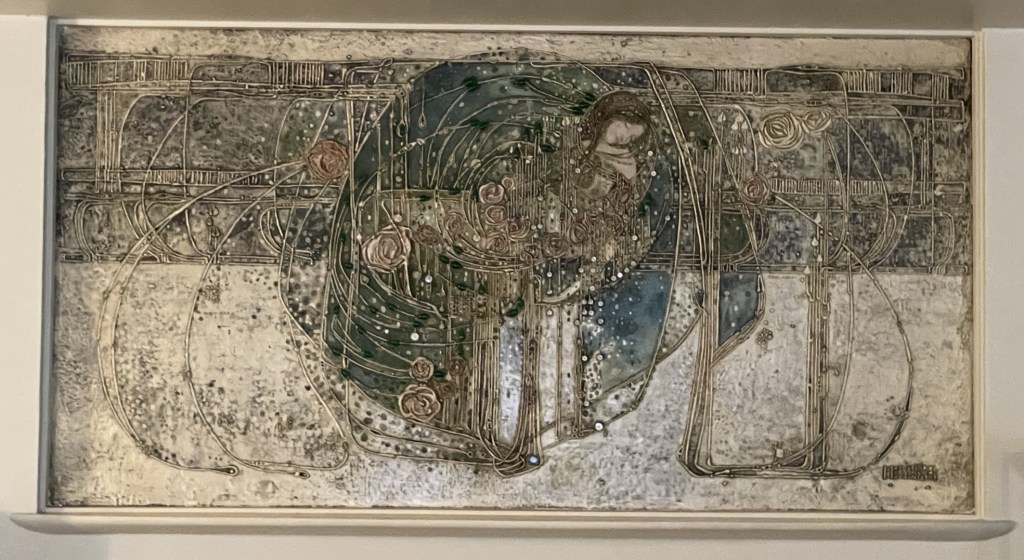
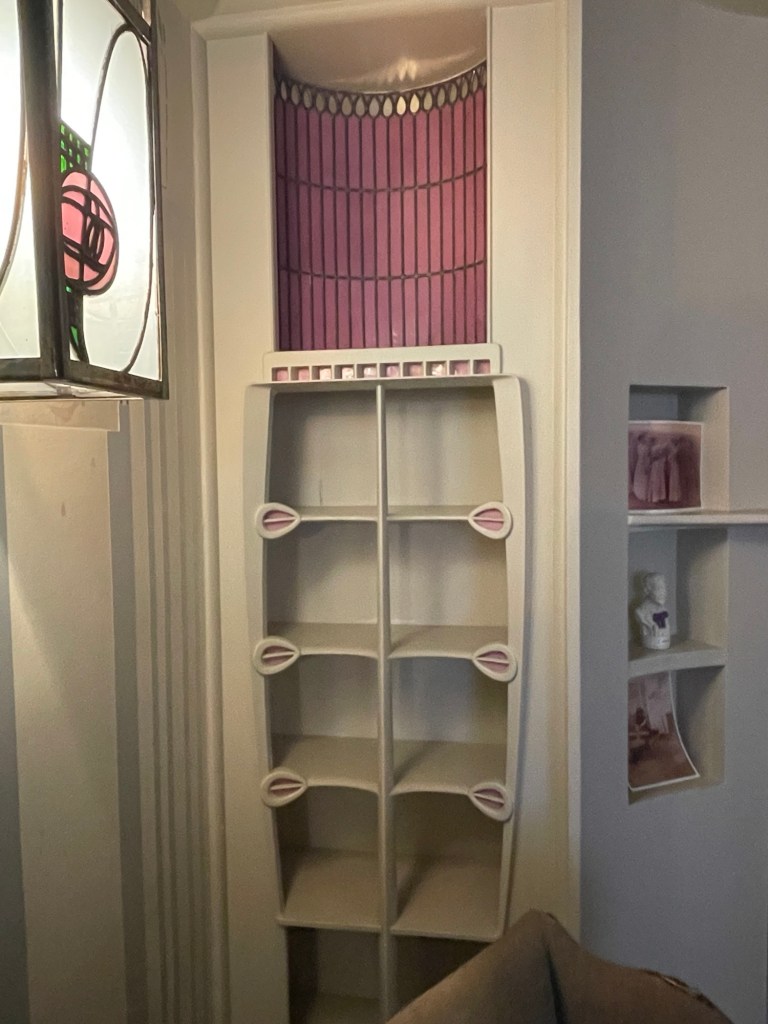
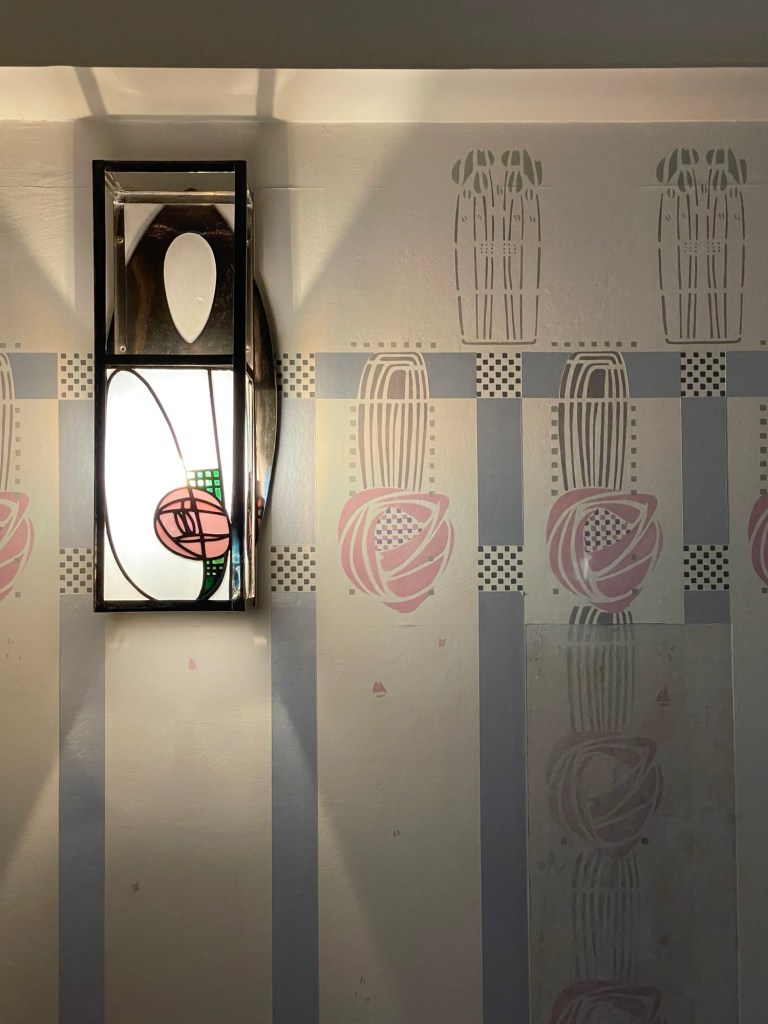
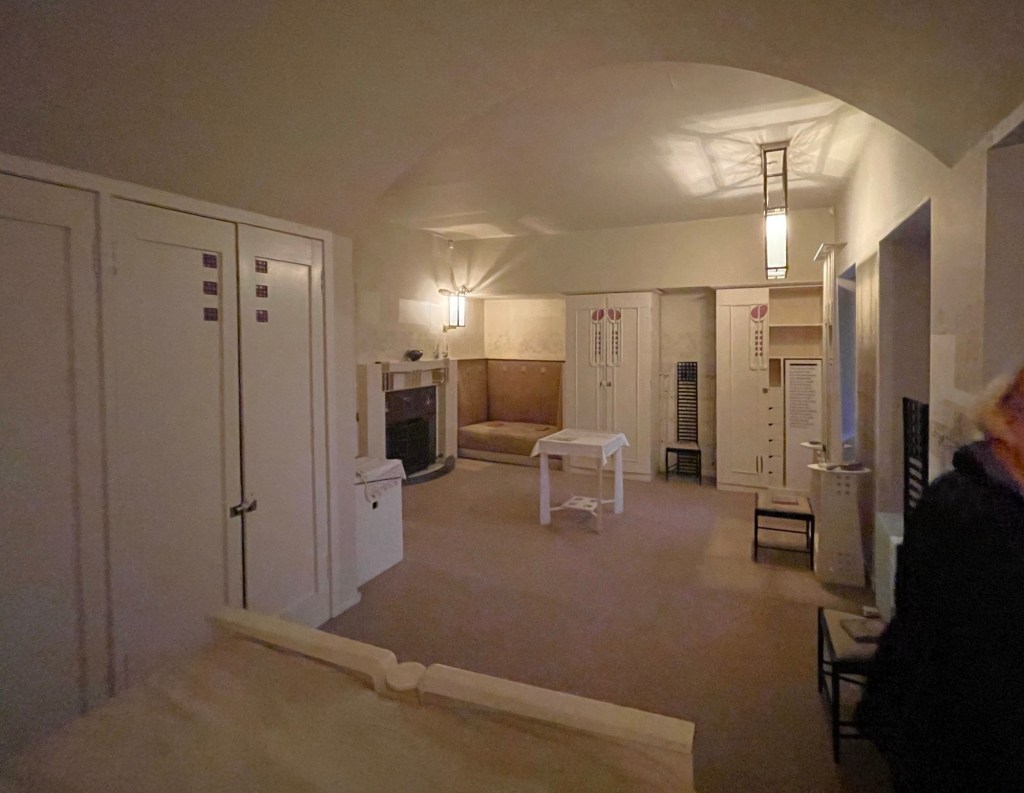
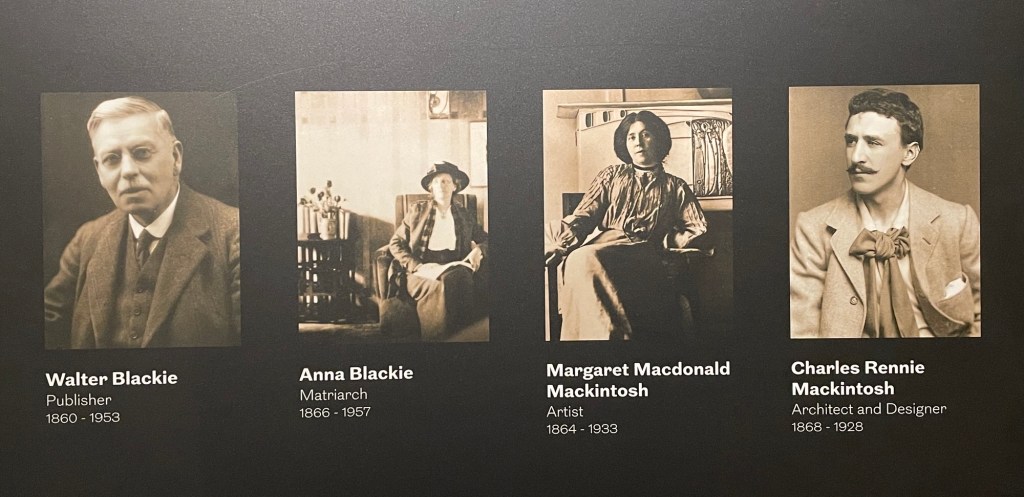
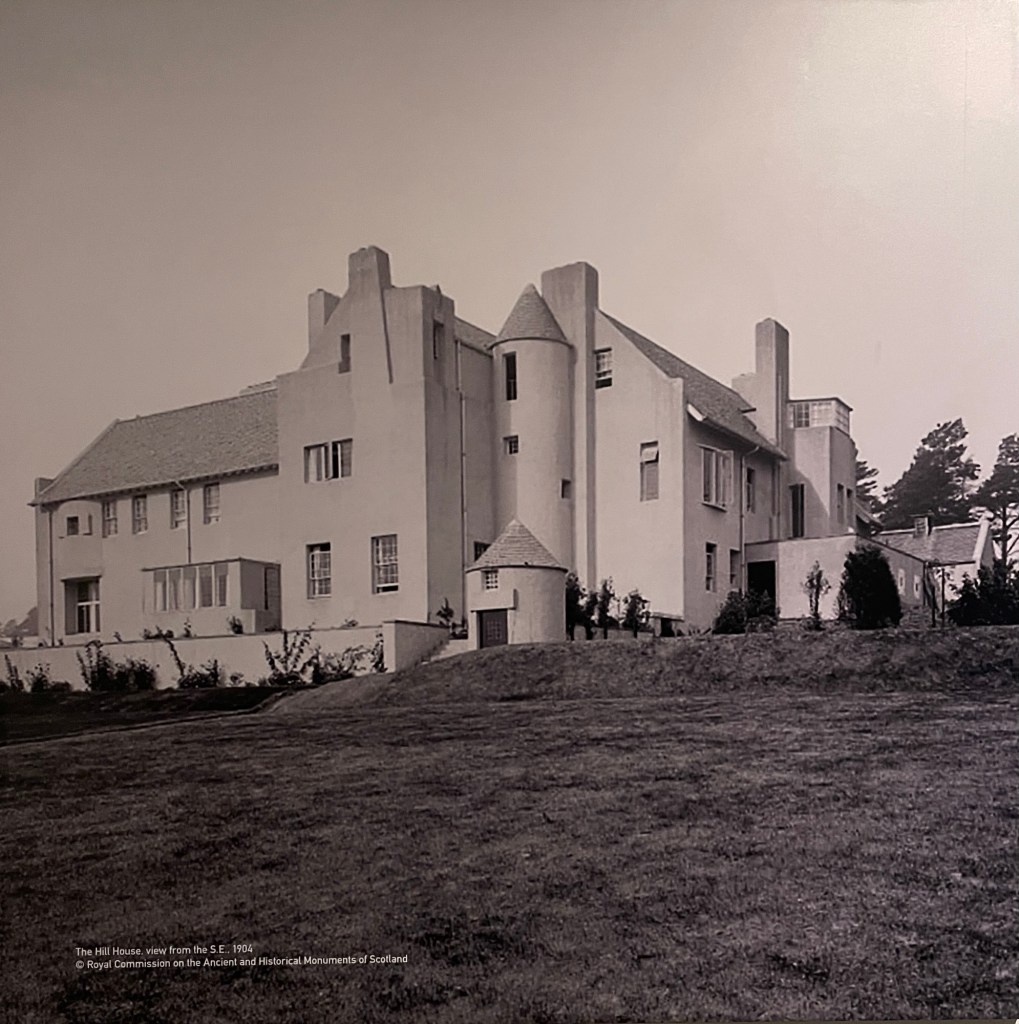
And then of course we have to geek out on Charles Rennie Mackintosh… The house that we toured is the home he designed in collaboration with his wife Margaret Macdonald for the Glasgow publisher Walter Blackie. It is known as The Hill House. Completed in 1904 in Helensburgh, northwest of Glasgow it was a complete break from the traditional Tudor house design fashion at that time.
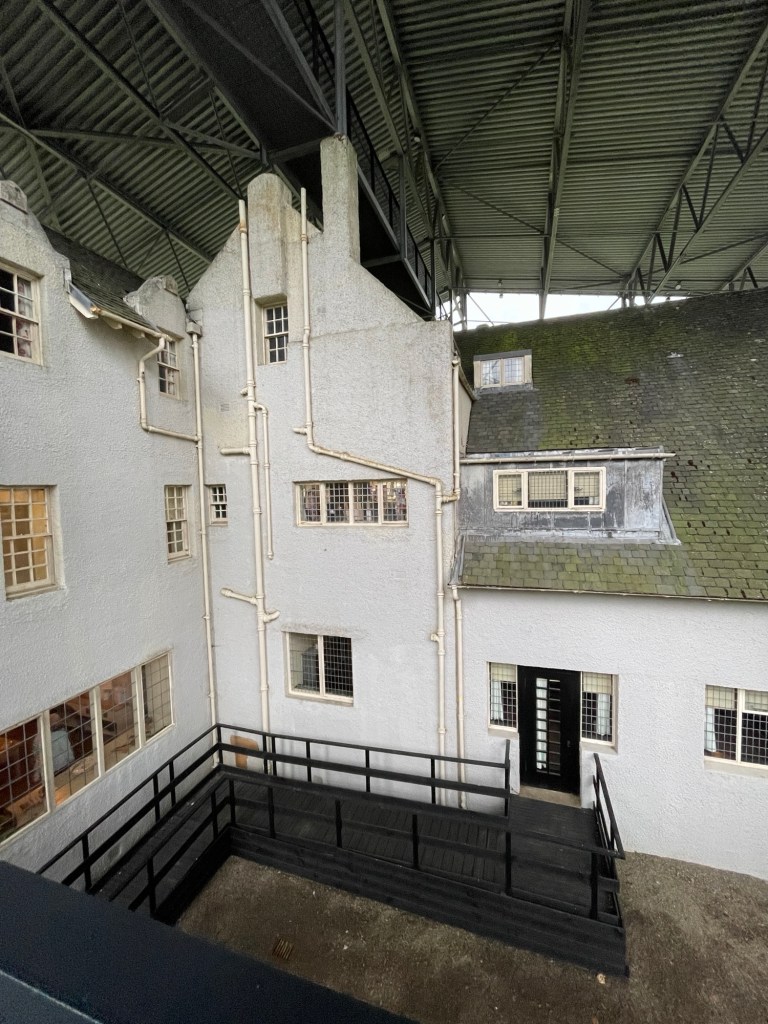
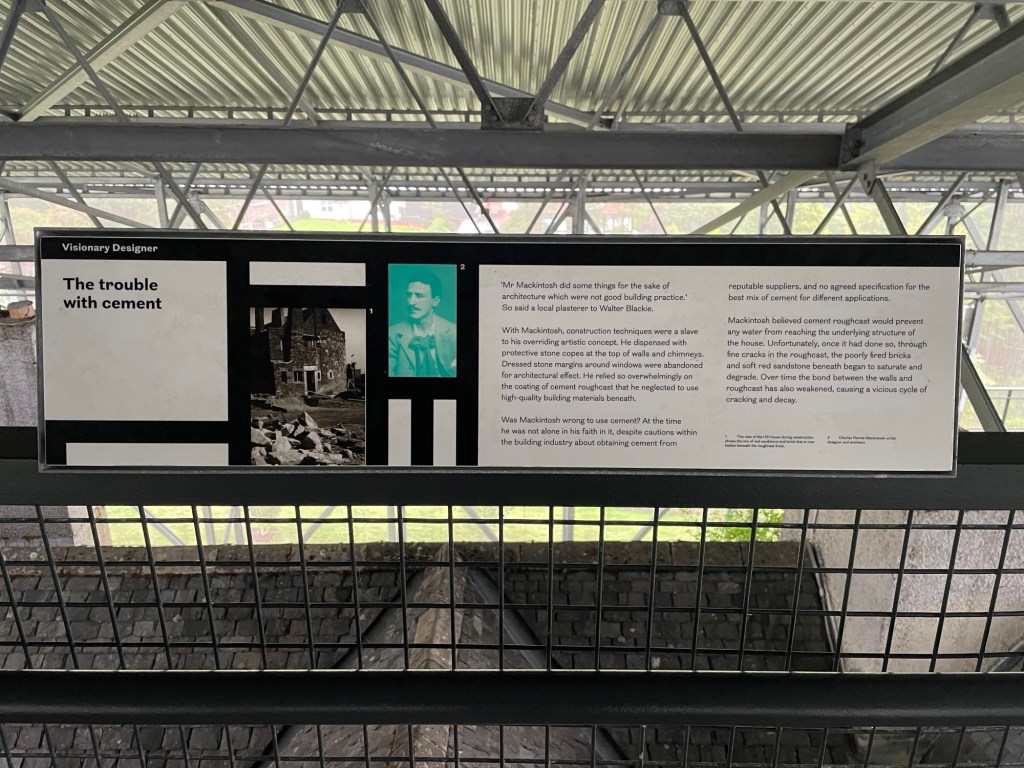
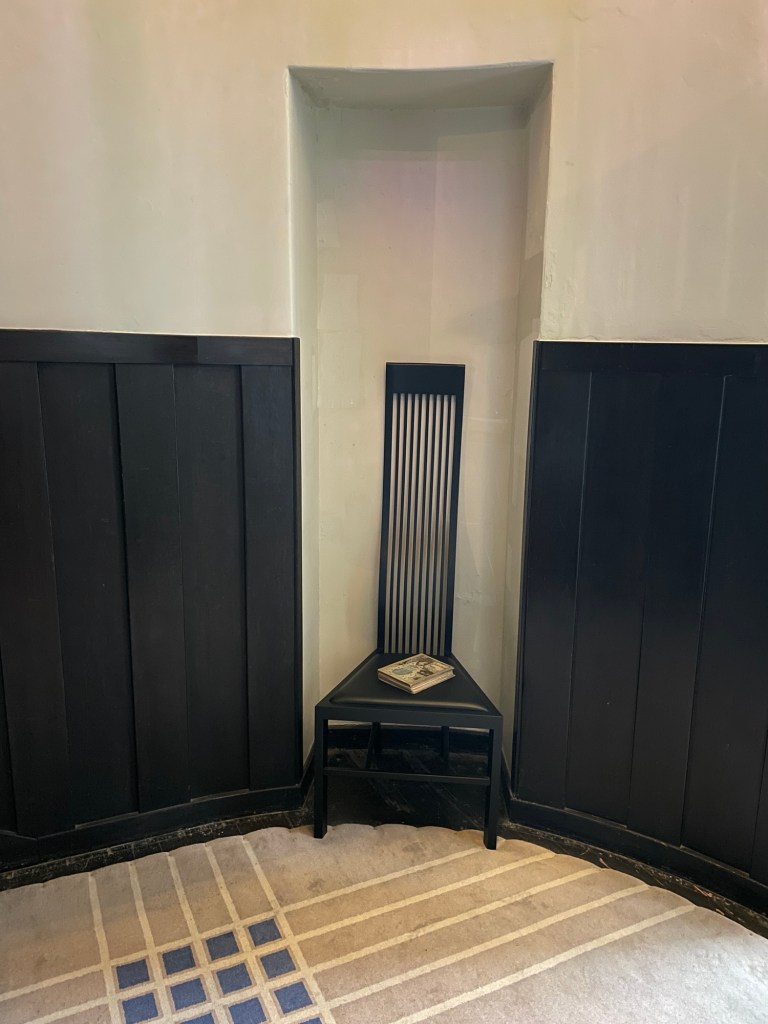
The house is a beautifully detailed art nouveau experience and a quite comfortable home but also an experiment with exterior finishes that unfortunately has not stood the test of time in Scottish weather.
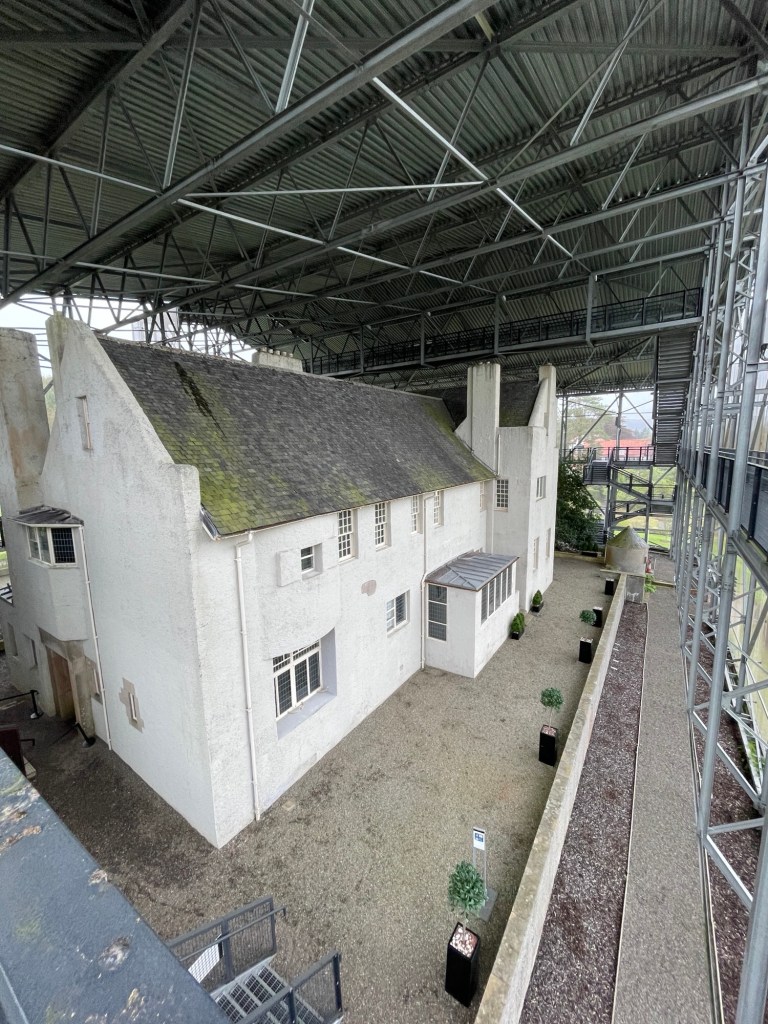
In order to save the house from further damage and provide time for accessing conservation efforts, the entire house has been enveloped by a unique galvanized steel shed (called the Box). Its purpose is to allow the house enclosure to dry fully and slowly pending remediation.
What the Box also does is allow the visitor a 360 degree drone-type view of the entire exterior of the house that would not typically be possible.
Some of the photos appear dark, as it was overcast and raining and the Box does block some of the normal daylight entering the house. We’ll let the images do the rest…

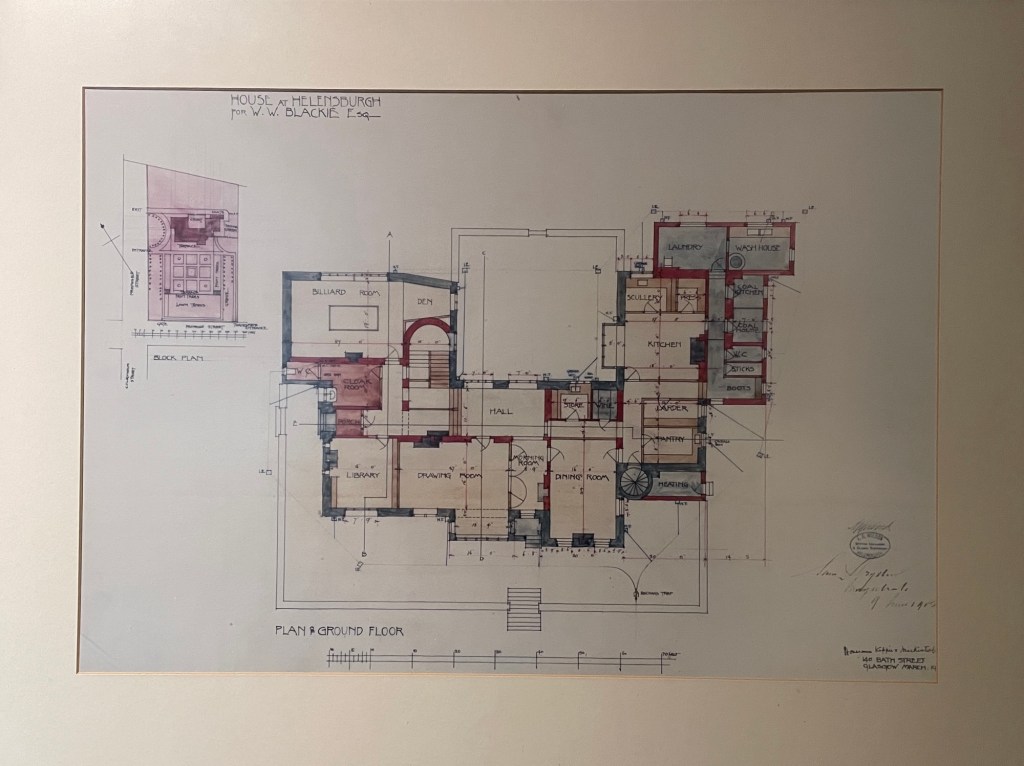
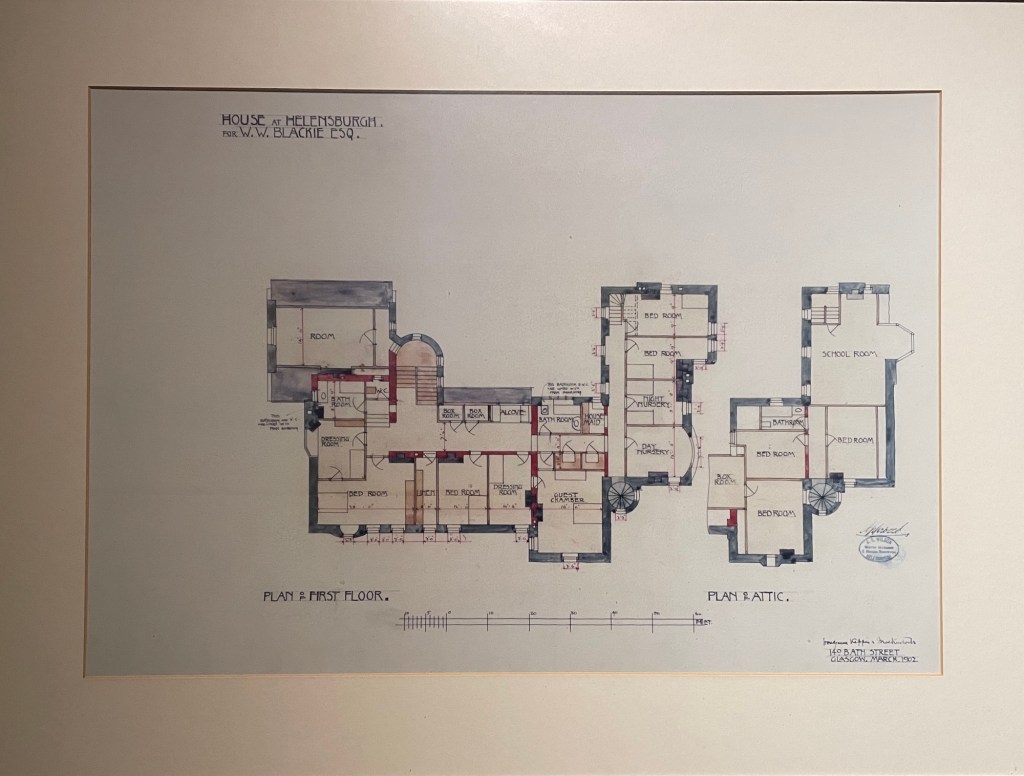
There is no plan of the third floor (attic) but the four Blackie children were home-schooled in the attic classrooms until age 7 or 8 as was the custom for middle-income families at that time.
Unfortunately, the art nouveau style was short-lived, and CRM did not receive the attention and recognition that he and Margaret were both due until after they both had passed. The house was subsequently subdivided for apartments and holiday flats before it was purchased by the Royal Scottish Architects and the National Trust for Scotland for public preservation.

 Avid Travelers
Leave a comment